

The New Status Symbol Is Admission
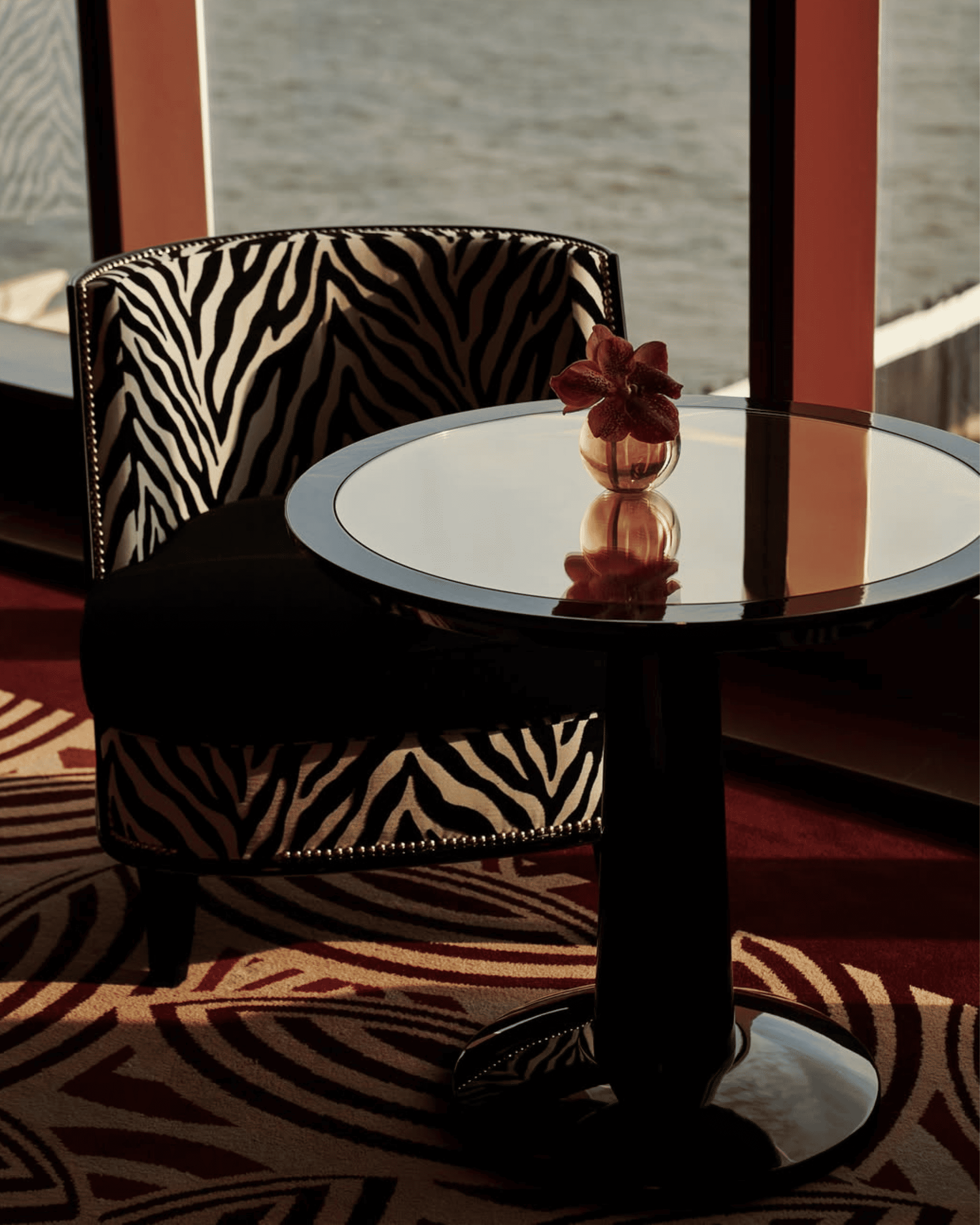
The visual language of luxury has remained largely unchanged across decades – private aviation, waterfront residences, tailored couture, fine watches, and yachts still operate as familiar symbols of wealth. What changed is the social structure surrounding them. Modern ultra-luxury increasingly revolves around access rather than ownership, with private ecosystems carrying more cultural value than public visibility. Inside this shift, Casa Cipriani emerged as one of the clearest modern examples. Opened in 2021 within New York’s landmark Battery Maritime Building, the club combines hospitality, wellness, social infrastructure, and controlled membership into a single environment designed around continuity rather than spectacle.
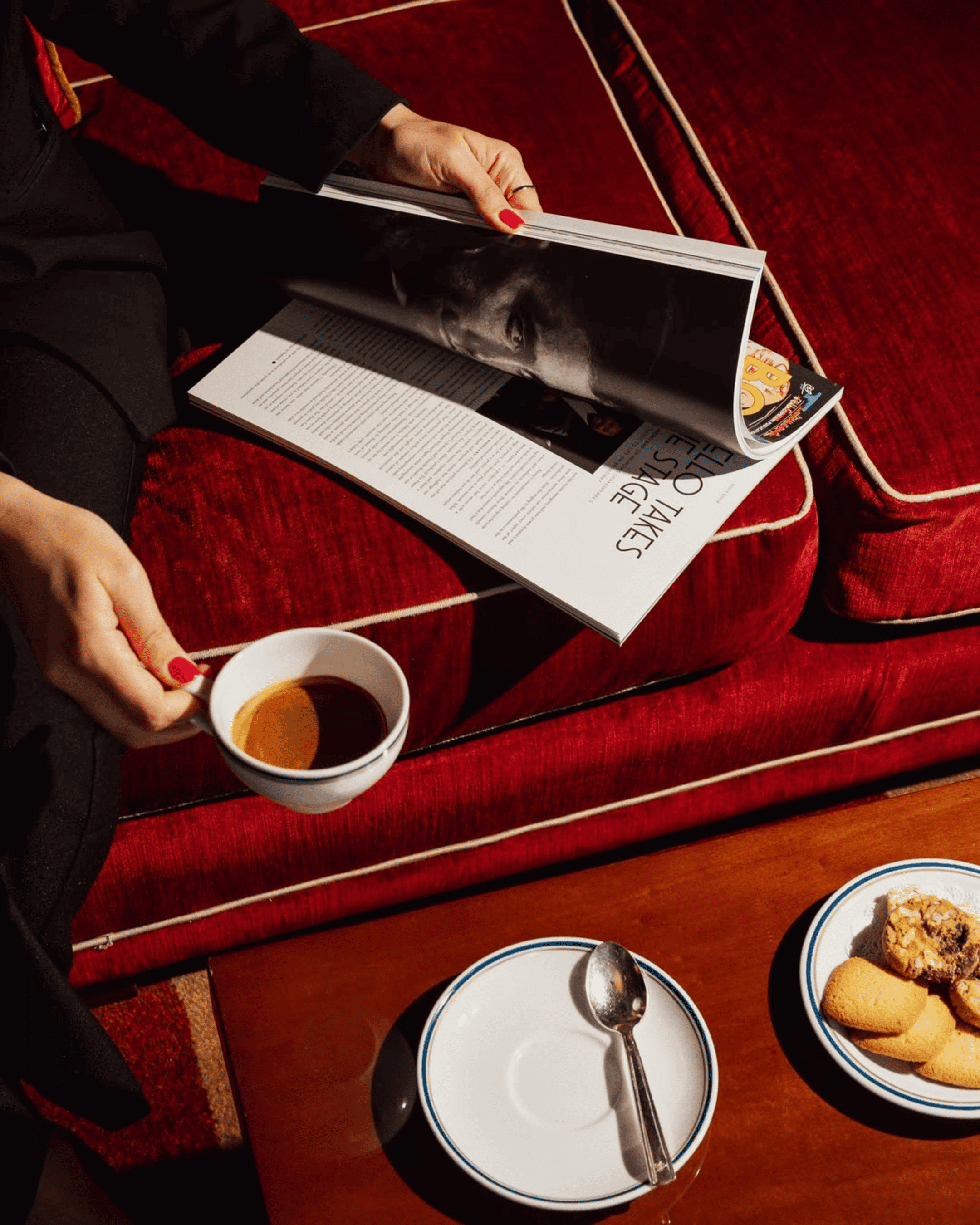
Traditional luxury hospitality once centered on movement and visibility – arrival, recognition, temporary presence. Modern private clubs operate differently. Their value comes from consistency, discretion, and social filtering across cities and networks. Inside Casa Cipriani, discretion operates as part of the culture itself. Photography and videography are restricted throughout member spaces, guest access remains tightly controlled, and the dress code reinforces a certain behavioral standard rather than simple aesthetics. Overtly casual clothing, streetwear references, distressed footwear, and overly visible branding sit outside the atmosphere the club aims to preserve, while evening standards become noticeably more formal after 5 – 00 PM. The intention is not performative exclusivity, but environmental consistency. Increasingly, modern private clubs function as carefully managed social ecosystems designed for globally mobile networks of founders, investors, collectors, and cultural figures who value privacy, familiarity, and reduced social friction.
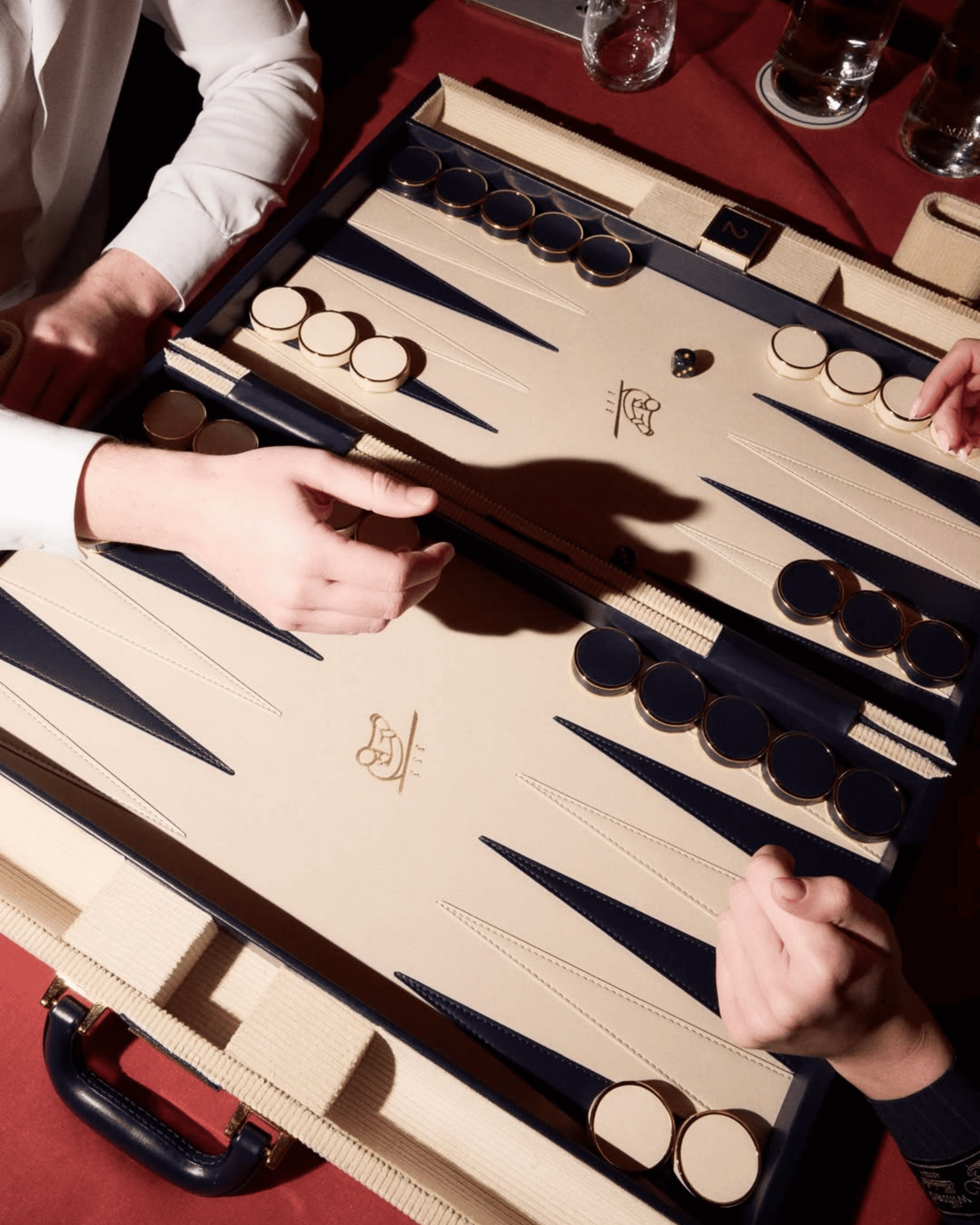
The broader luxury market reflects the same transformation. Ownership once acted as the primary signal of status through cars, jewelry, residences, and visible consumption. Today, admission itself increasingly functions as the luxury asset – waiting lists, invitation-only dinners, private allocations, members-only floors, and off-market acquisitions have become part of the product itself. Casa Cipriani’s cultural roots trace back to Harry’s Bar in Venice, opened by Giuseppe Cipriani Senior in 1931 away from passing tourist traffic, requiring guests to arrive intentionally. That philosophy remains deeply relevant inside contemporary wealth culture. The most desirable environments are no longer necessarily the most visible. They are the ones intentionally designed to remain selective.
OFFICIAL WEBSITE CASA CIPRIANI© CASA CIPRIANI