

Porsche Mission S: Beyond the 911
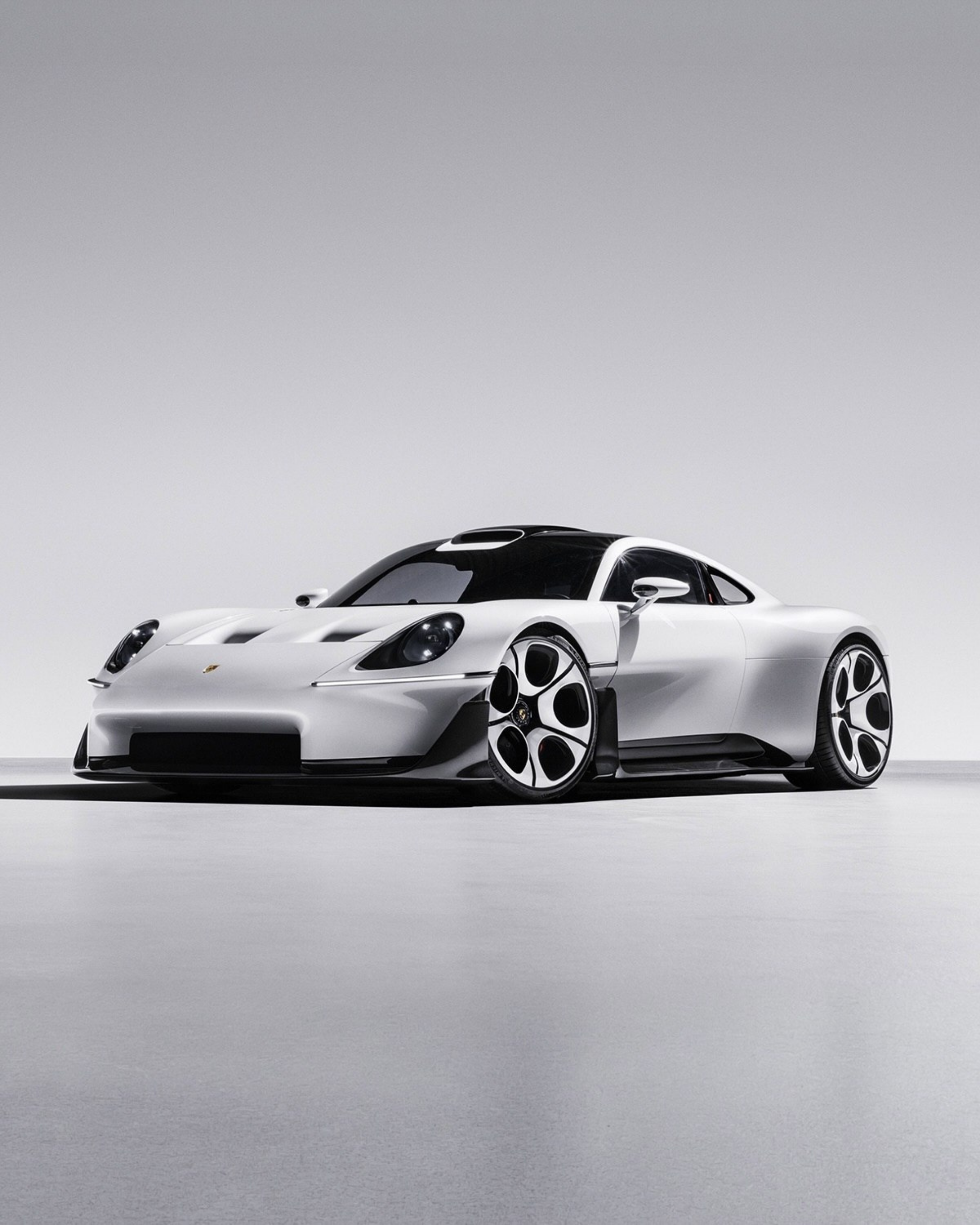
Porsche is exploring a new position within its sports car hierarchy. Presented on 15 October 2026, the Mission S introduces a mid-engined super sports car concept positioned above the 911. Developed as the foundation for a potential permanent addition to the range, it forms part of the brand’s Sportwagenschmiede ’35 strategic realignment. The proposition is significant for a marque whose identity has long been defined by the 911 – not as a replacement for its established icon, but as an expansion of what a Porsche sports car can be.
The world premiere took place on a pier in Queens, New York, overlooking Manhattan. The location carries a reference to 1953, when photographs of the mid-engined Porsche 550 Spyder were taken at the same site before circulating internationally. The 550 Spyder helped establish Porsche’s reputation in motorsport and contributed to its early success in the United States. More than a historical gesture, the setting connects two moments in the brand’s development – the emergence of its sporting identity and the prospect of a new model architecture above the 911.
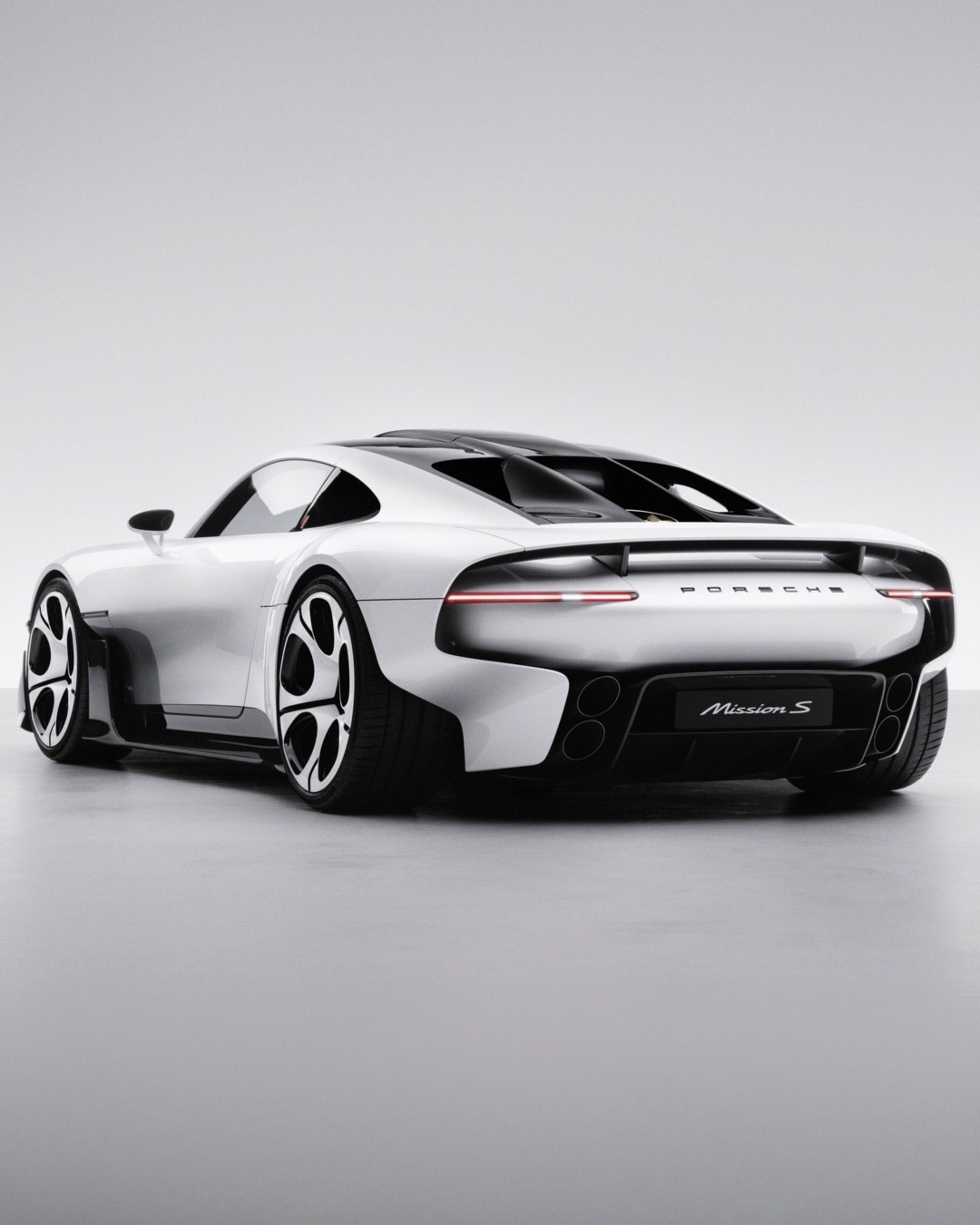
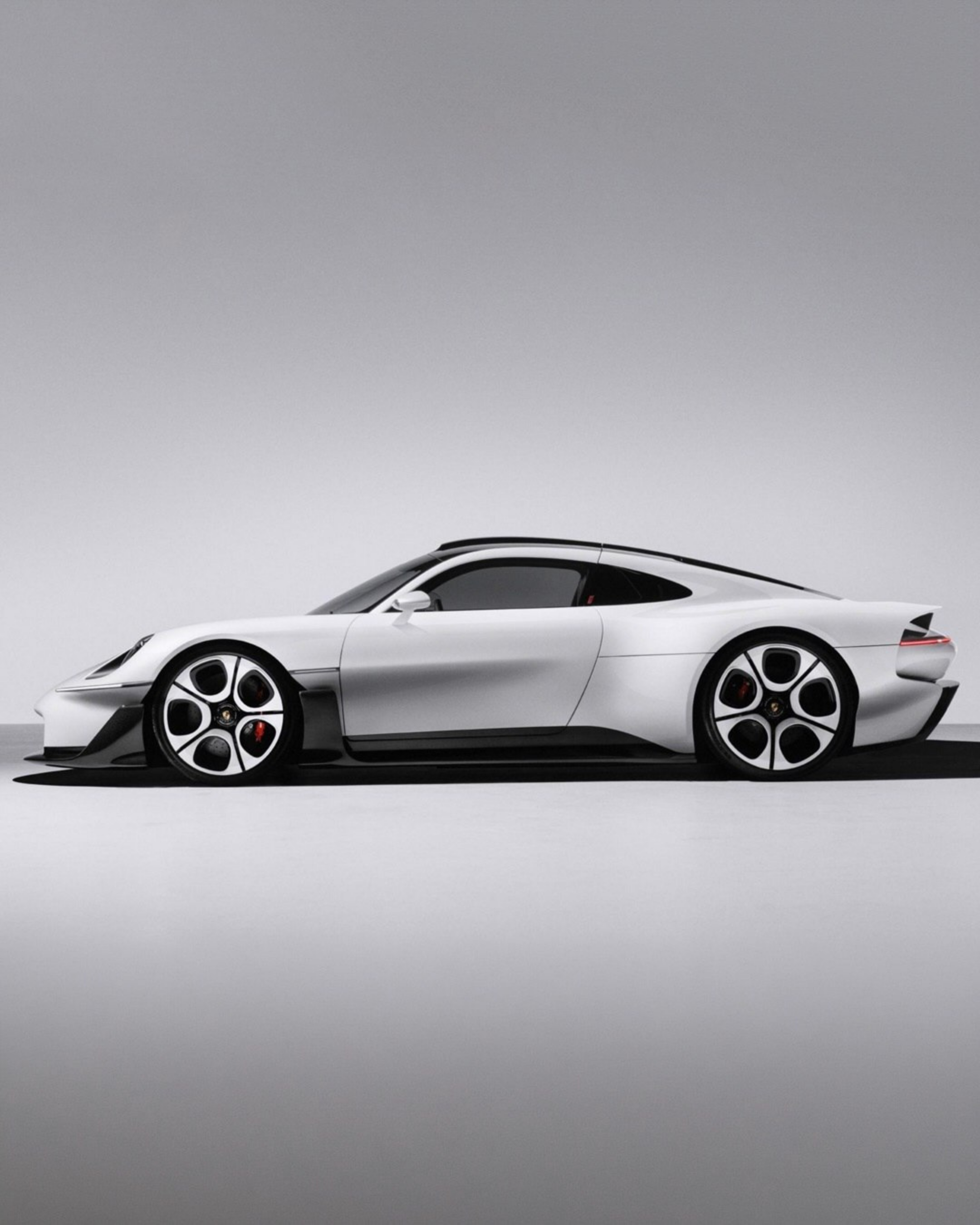
The Mission S brings familiar Porsche design codes into a different configuration. Rounded headlights, pronounced front fenders and the characteristic roofline maintain an immediate connection to the 911, while details reference the G-model, the GT1 and the 959. At the rear, an integrated active wing draws on the GT1, and the wheels reinterpret the dial design associated with the 928. The approach follows three principles – authenticity, consistency and timelessness. Rather than abandoning its established visual language, Porsche is testing how far that language can extend into a new category.
Inside, the concept returns attention to the relationship between driver and machine. References to the 550 Spyder and 356 inform a cockpit that combines physical controls with digital displays. Five circular instruments sit behind the steering wheel, centred on a rev counter with an analogue needle. Their configuration adapts to the selected driving mode, while a reworked Sport Chrono element brings traditional instrumentation into a contemporary setting. The dashboard has no permanently integrated central screen or fixed passenger display. A retractable MagSafe-compatible smartphone holder instead allows the driver’s own device to serve as an optional navigation interface.
The Mission S outlines a direction rather than a finished production specification. Its significance lies in the balance it proposes between continuity and change – preserving the visual and sporting references that define Porsche while creating room for a distinct model above the 911. Whether the concept translates directly into a production car, it establishes the central question for Porsche’s next chapter – how to expand an icon’s legacy without repeating it.
PORSCHE — OFFICIAL WEBSITE
© PORSCHE