

Before St. Moritz Became Legendary
Long before St. Moritz became synonymous with Alpine prestige, its hotels had already established its reputation. They introduced a new vision of mountain hospitality defined by permanence, international society and year-round refinement rather than seasonal escape. Before the resort became the benchmark for Alpine luxury, three landmark properties had already become institutions, shaping an identity that continues to influence mountain hospitality today.
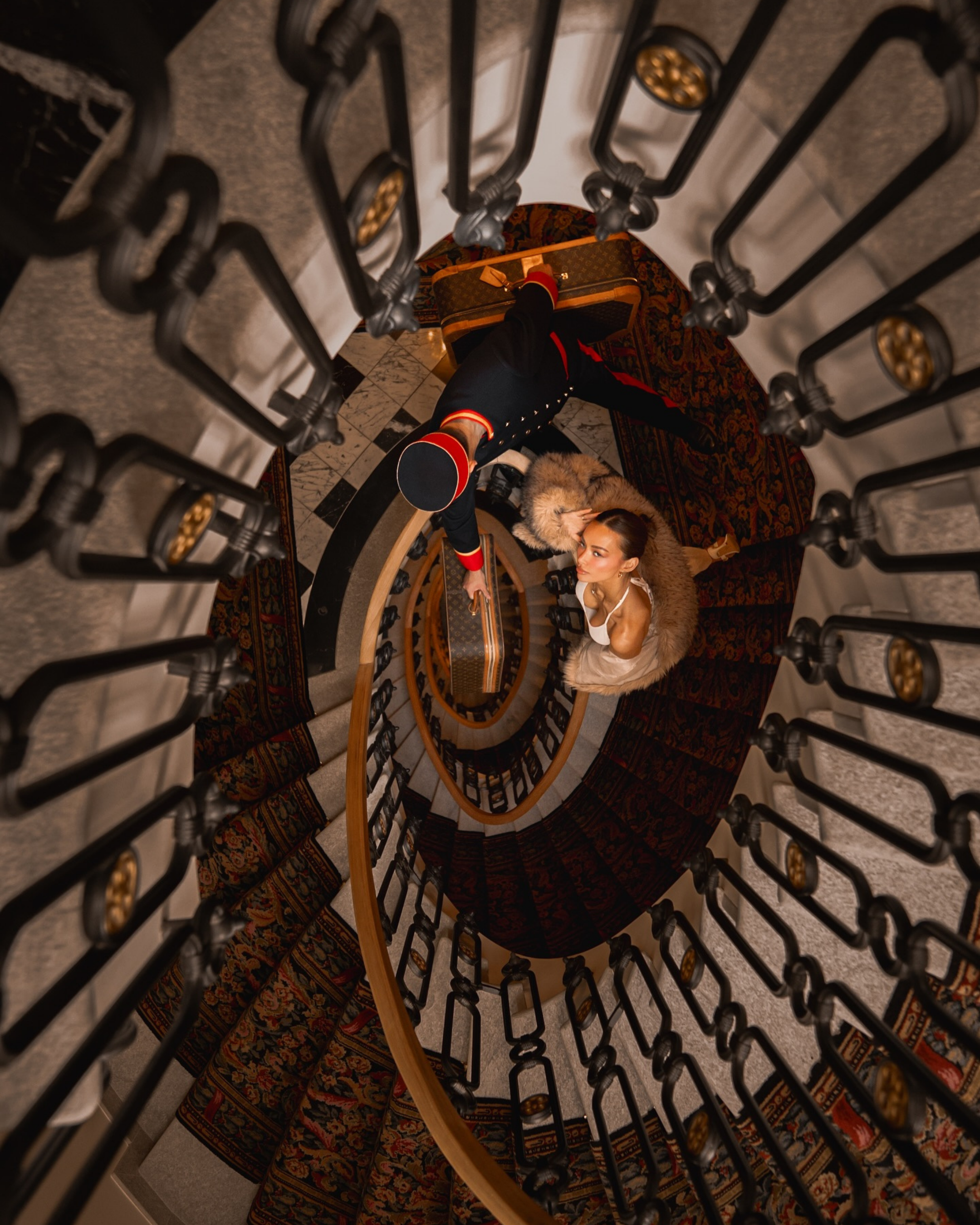
Badrutt's Palace transformed St. Moritz from an Alpine village into an international destination. Since 1896, the hotel has welcomed generations of European royalty, cultural figures and global tastemakers, including Coco Chanel, Charlie Chaplin, Alfred Hitchcock and Marlene Dietrich. Rather than preserving its heritage as a museum, the property continues to evolve through additions such as the Serlas Wing by ACPV Architects, where oak, Dorato Valmalenco stone and Loro Piana fabrics reinterpret Alpine elegance. Historic rituals remain equally important. Afternoon tea in Le Grand Hall, evenings at Chesa Veglia and Matsuhisa by Nobu reflect a hotel where tradition and contemporary culture exist naturally. Beyond its entrance, Via Serlas forms part of everyday life, where the world's leading maisons belong to the landscape rather than a shopping itinerary.
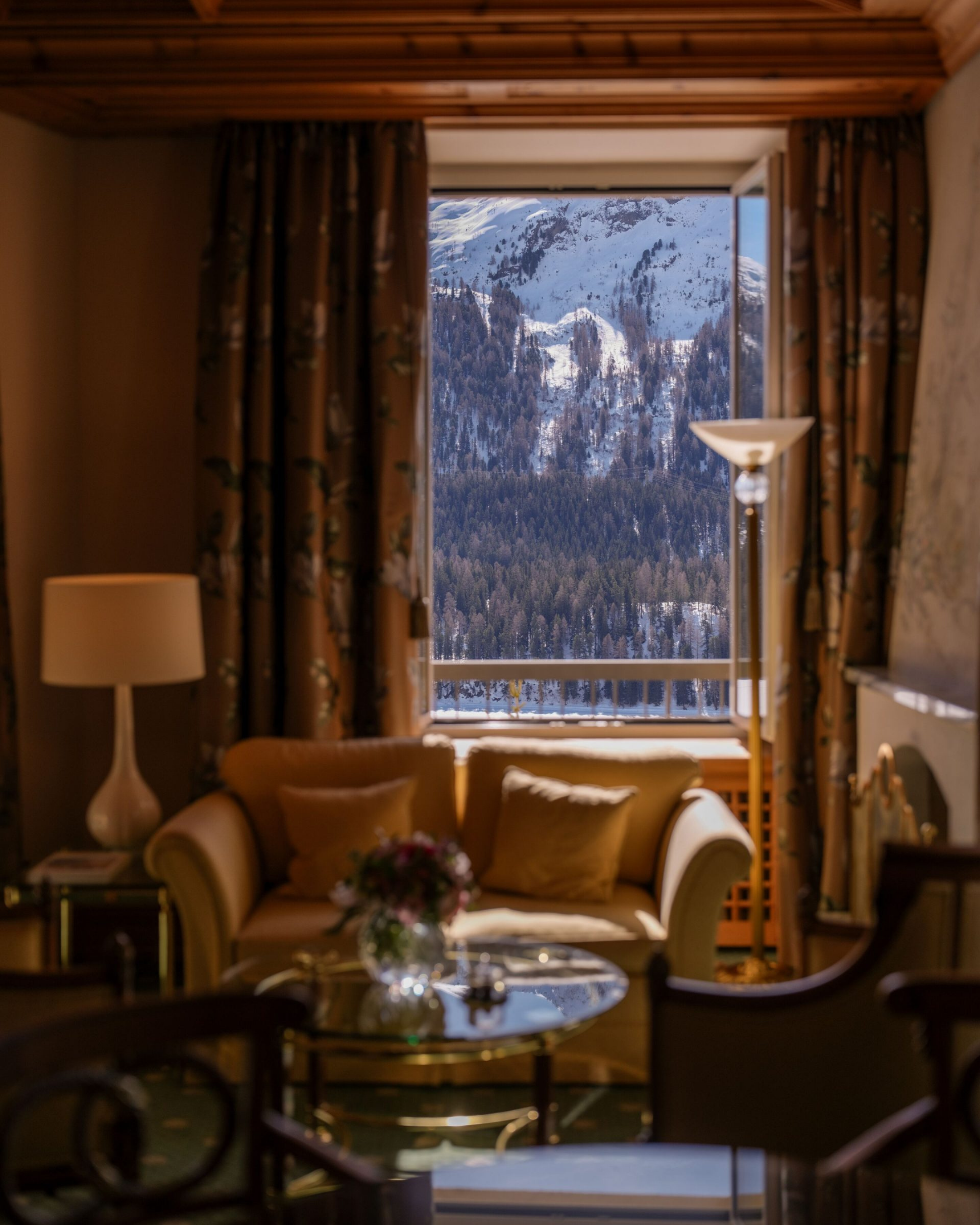
Kulm Hotel is where the modern history of St. Moritz truly begins. Originally opened in 1856 and expanded by Johannes Badrutt after 1858, it introduced innovations that redefined Swiss hospitality, from the country's first electric lights in a hotel restaurant to one of Switzerland's earliest public telephone networks and the hotel lobby as a social institution. The surrounding landscape soon became a laboratory for winter sport, giving rise to skeleton, skibobbing and the Cresta Run before Kulm Park hosted the Winter Olympic Games of 1928 and 1948. More than attracting visitors, the hotel established winter in St. Moritz as a cultural season.
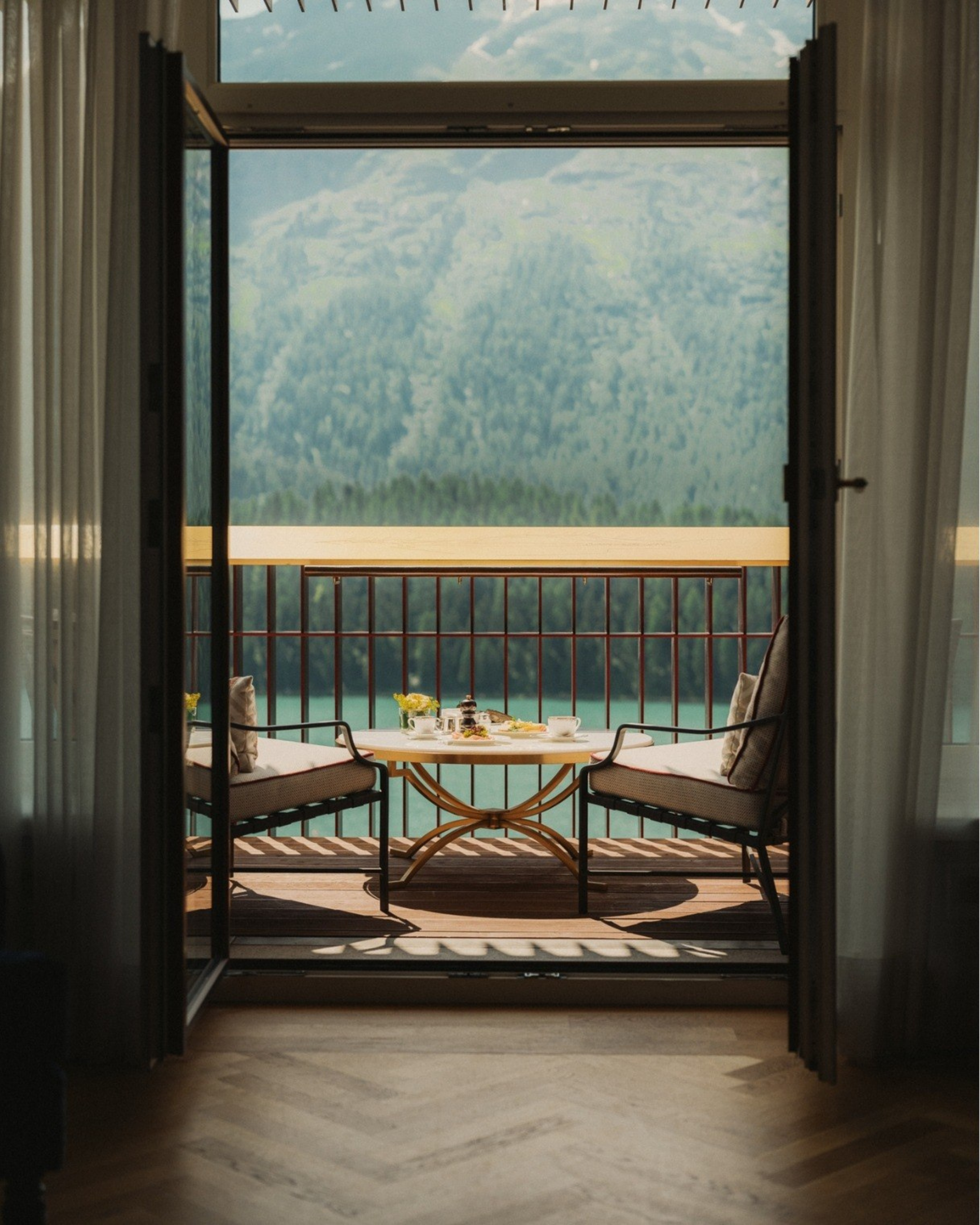
Kempinski Grand Hotel des Bains represents the resort's contemporary chapter. Built in 1864 beside the mineral springs that first attracted wellness travellers to the Engadin, the property remains connected to the origins of St. Moritz as a destination for health and wellbeing. Newly reimagined suites combine Belle Époque architecture with contemporary Alpine interiors, while a 2,800 sqm wellness area, refined dining concepts and direct access to the surrounding ski region reflect the expectations of today's international clientele. Together, these three hotels did not simply define hospitality in St. Moritz. They created the enduring culture of the destination long before Alpine luxury became a global aspiration.
ST. MORITZ — OFFICIAL WEBSITE© ST. MORITZ